Dear PINKs
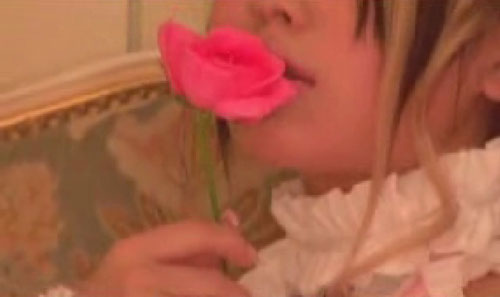
Cytat z Boccaccia, który wydaje się iść w parze z Boticellim 🙂 cóż rzec – mogę się tylko podpisać obiema rękami 🙂 ////// Cuotaticion de Boccaccio la cual parece ir de la mano con Boticelli 🙂 Que puedo decir – solo que lo firmo con ambas manos 🙂 ////// Quote from Boccaccio which seams to go well with Boticelli 😉 What can I say – just that I can sign it with both hands 🙂
PINK NOT DEAD!
maurycy
Niektórzy z moich wrogów powiadają, że źle postępuję, starając się zbytnio wam, młode damy przypodobać, a takoż zachwycać się wami. Szczerze wyznać muszę, że w samej rzeczy bardzo mi do gustu przypadacie i że staram się być wam miłym, aliści niech mi się zapytać będzie wolno, zali są w stanie mi się dziwiwać i mnie naganiać ludzie, znający nie tylko wasze gorące pocałunki i uściski ramion waszych, ale spoglądający ciągle na waszą nieporównaną urodę i piękność pełną wdzięku, co więcej, na wasze składne obyczaje i bialogłowską cnotę? Młodzieniec wyrosły na dzikiej, samotnej górze, pośrod czterech ścian swej małej celi, pierwszy raz na was spojrzawszy, obrócił ku wam wszystkie chęci swoje i tylko w marzenia o was się pogrążył. Zali przyganiacze moi odważą się strofować mnie i napastować za skłonność ku wam, mnie obdarzonego przez niebiosa zdatnością do miłości, mnie, który wam w młodych jeszcze latach całą duszę oddał, mnie com doświadczył czaru spojrzeń waszych, słodyczy czułych waszych słów i poznał żar, który w sercu się zapala od lubych westchnień waszych? Któż, pytam, zechce ganić mnie za to, że miłe mi jesteście i ja pragnę wam być miły, skoro nawet młody pustelnik, do dzikiego zwierzęcia podobien, spojrzawszy na was zapomniał o wszystkim, co go dotychczas w zachwyt wprawiało? Zaiste, chyba tylko ten, kto was nie kocha i przez was nie pragnie być kochany, kto rozkoszy i potęgi uczuć nie jest świadom, szydzić ze mnie może, aliści o sąd takiego człeka dbam mało lub nic wcale.
Giovanni Boccaccio, Dekameron, wstęp do dnia czwartego, circa 1353, przełożył z włoskiego Edward Boye, tekst poprawił i uzupełnil Mieczysław Brahmer, PIW 1955
As you will recall, young ladies, some of my critics claim that it is wrong of me to take so much trouble to please you, and that I am altogether too fond of you. To these charges I openly plead guilty: it is quite true that I am fond of you band that I strive to please you. But what, may I ask, do they find so surprising about it, when you consider that a young man who had been nurtured and reared within the confines of a tiny cave on a bleak and lonely mountain side, with no other companion except his father, no sooner caught sight of you than all his desires, all his curiosity, all the leanings of his affection were centered upon you, and you alone? Nor, delectable ladies, was he yet aware of the amorous kisses, the sweet caresses, and the blissful embraces that so often bestow upon us, for a man has merely to fix his eyes upon you to be captivated by your graceful elegance, your endearing charm, and your enchanting beauty, to say nothing of yor womanly decorum. Am I to be abused by these people, then, am I to be mauled and mangled for liking you and striving to please you, when Heaven has given me a body with which to love you and whe my soul has been pledged to you since childhood because of the light that gleams in your eyes, the honeyed sounds that issue from your lips, and the flames that are kindled by your sights of tender compassion? When you consider that even an apprentice hermit, a witless youth who was more of a wild animal than a human being, liked you better than anything he had ever seen, it is perfectly clear that those who criticize me on these grounds are people who, being ignorant of the strenght and pleasure of natural affection, neither love you nor desire your love, and thy are not worth bothering about.
Giovanni Boccaccio, The Decameron, Fourth Day (introduction), aprox. 1353, traslation G.H. McWilliam, 1972 Penguin Books